If you want to keep your focus and your rank through a long ranked session, break the queue into small blocks and reset between them on purpose. Most players lose momentum not because they stopped, but because they stopped badly: no timer, no warm-up, no rule for coming back. A two-minute pause after three games protects far more rank than pushing through a fourth while your reactions are already gone.
This guide covers how to take breaks without losing momentum in ranked, from the moment a match ends to the second you queue again. Momentum in ranked is not a win streak. It is the quality of the decision you make in the next thirty seconds — where you aim, whether you push, when you rotate. Fatigue and tilt eat that decision quality long before you feel tired, and a rushed game costs rating points you have to grind back. A well-timed break is not the opposite of momentum; it is the thing that keeps momentum from evaporating on its own.
The routine below works in League, Valorant, CS2, Rocket League, Overwatch, Fortnite or Wild Rift, because nothing in it depends on a specific map or agent.
Table of Contents
- 1What You Need to Take Breaks Without Losing Momentum
- 2Step-by-Step: The Ranked Break Reset Routine
- 31. Finish the Current Match Without a Sudden Exit
- 42. Set a Break Length That Matches Your Queue
- 53. Clear the First Two Minutes of Mental Clutter
- 64. Reset Your Body Before Returning
- 75. Re-enter the Game Warm, Not Grounded
- 86. Rejoin Ranked With a Simple Rule
- 9Common Mistakes That Wipe Out Your Momentum
- 10Frequently Asked Questions
- 11How long should I take a break between ranked matches?
- 12Should I stop playing after losing several ranked games?
- 13Is it better to take a five-minute break or a fifteen-minute break?
- 14How do I avoid thinking about a previous match during my break?
- 15Can breaks improve my ranked performance?
- 16Should I warm up before queuing for another ranked match?
- 17Conclusion
What You Need to Take Breaks Without Losing Momentum
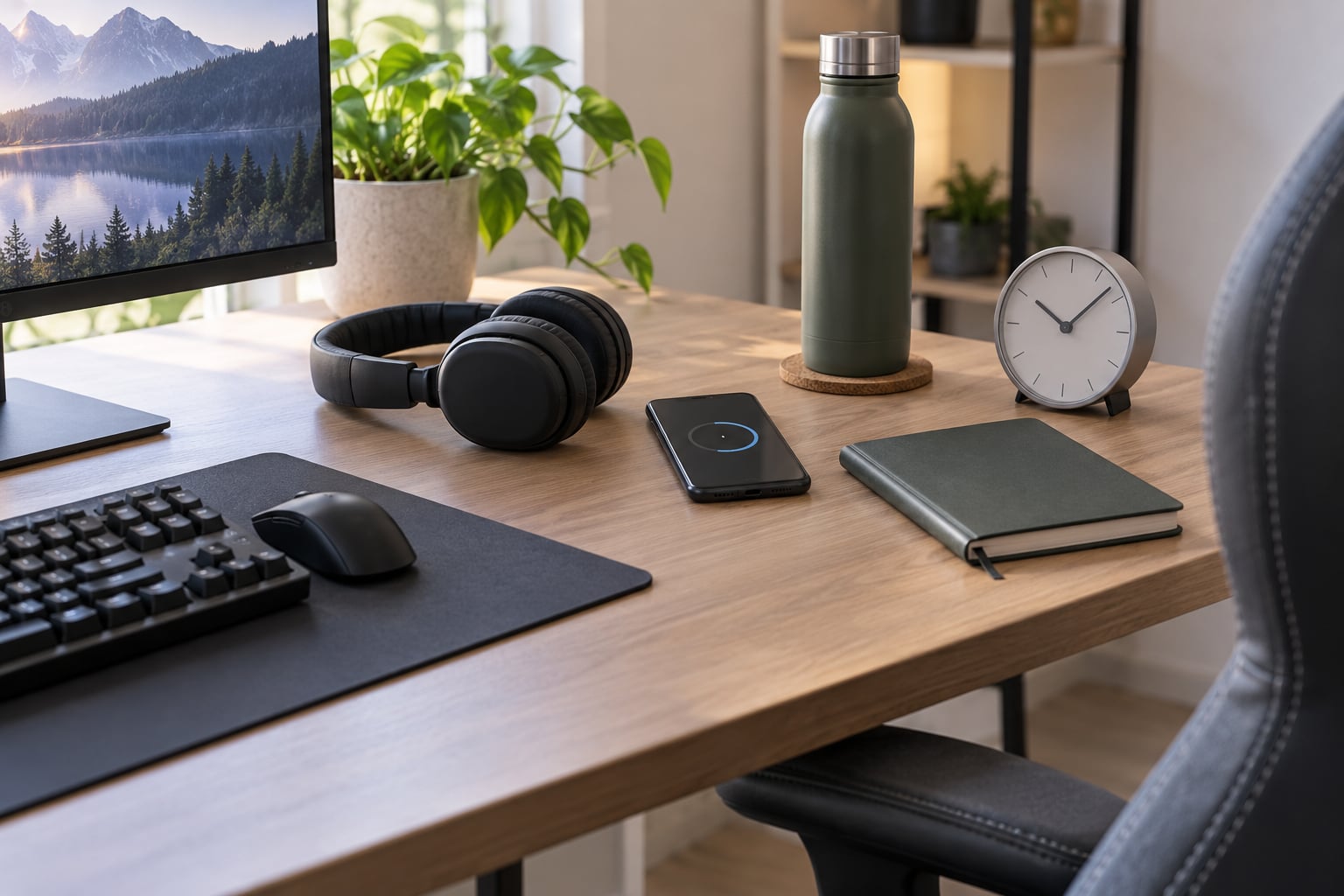
None of this requires equipment. Everything you need is already in the room, and most people skip the routine because they assume it needs gear it does not.
- A clean exit from the match. Finish the game, decline the instant rematch, and close the client if you are taking a longer break. Mashing through a defeat screen and landing straight back in queue is the most common way a break turns into a spiral.
- A timer you do not have to watch. A phone timer set before you start beats a mental countdown, because you will not feel the minutes pass. Fifteen minutes of scrolling is over before you realise it.
- A quiet place to reset. Not your chair with the second monitor still on. Stand up, change rooms if you can, get some water. The location change is part of the reset.
- Enough time left for one more block. Breaks make sense when you have thirty-plus minutes left in the session. If you are closing out at midnight, skip the mid-session break and just stop for the day.
Step-by-Step: The Ranked Break Reset Routine
Six steps, in this order. Skipping to step six without doing steps three and four is why breaks often leave you feeling flat for the next game instead of sharper.
1. Finish the Current Match Without a Sudden Exit
Let the match play out, win or lose, and do not open the scoreboard, the profile page or the social feed afterwards. Those screens pull you straight back into the game you just played while you are still emotional about it.
Decline the rematch popup even if the queue is fast. Then step away from the keyboard for a moment. You have just spent twenty-five to forty minutes making hundreds of decisions; the last two minutes of the match are not a representative sample of anything, and reading them is the fastest route to tilt.
How to tell the exit worked: you are not replaying a specific moment in your head. If you are still thinking about one play, keep breathing until it fades before you do anything else.
2. Set a Break Length That Matches Your Queue
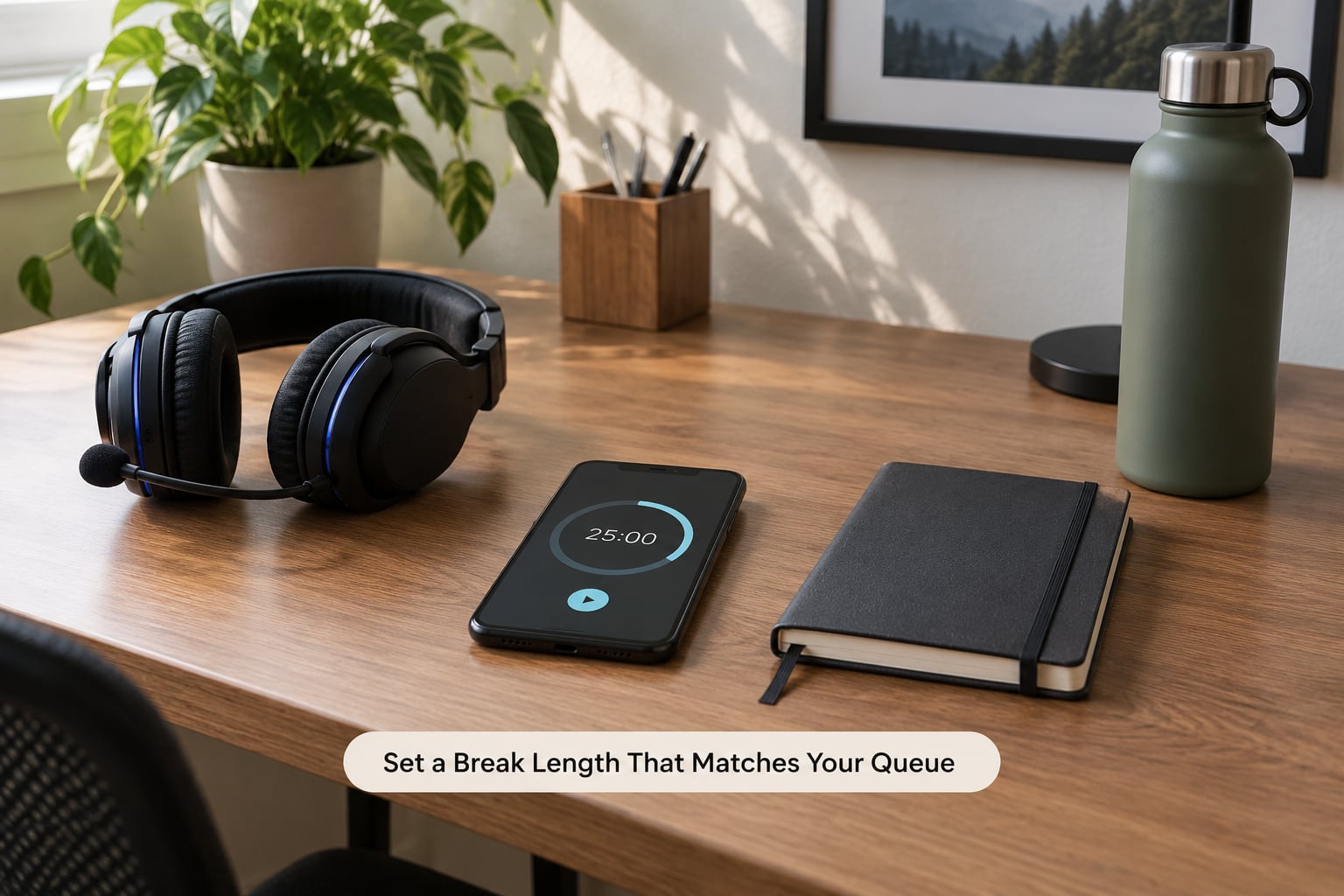
Match the break to what you are about to do, not to how you feel. Four lengths cover almost every ranked session:
- 60 to 90 seconds. A single match went sideways and you are annoyed but functional. Stand, breathe, refill water, look at something six metres away.
- 5 to 8 minutes. The normal rhythm between blocks of games. Move, hydrate, write one note on what you learned, nothing else.
- 15 to 20 minutes. Two losses in a row, or a slump you can feel but cannot name. Leave the desk entirely, eat or drink something, reset properly.
- Session over. Three losses, declining reactions, or a bad mood outside the game. Log off, write one line about the session, stop.
The choice comes down to queue time, fatigue, and your mood. Tired plus frustrated means the long break or the day is done. Fine plus fine means a five-minute block break. And never take a break shorter than sixty seconds expecting it to change anything — a micro-reset settles your heart rate, it does not clear your head.
Community advice converges on similar numbers: a Rocket League competitive guide circulating on Steam prescribes seven games then a fifteen-minute break, and one widely-shared protocol from a competitive player is two losses, ten minutes away from the screen, then one unranked game before deciding whether to re-queue. The specific figures matter less than having a figure written down before you need it.
How to tell the length was right: when you sit back down you are bored to queue, not relieved to be away.
3. Clear the First Two Minutes of Mental Clutter
The first two minutes decide whether the break worked. This is when your brain replays the last game shot by shot, and each replay makes the next queue feel heavier.
- Mute everything. Discord, in-game chat, the group chat, notifications. Mute is one tap; reading a message costs you several minutes of reset.
- Write down one thing, not twenty. A single line — “stopped rotating after second item” or “aim was fine, positioning was not” — is enough to satisfy the part of your brain that wants to review.
- Name the result and close it. Say the number to yourself once, then stop. Checking rank or MMR during the break re-opens the loop you just closed.
- Change your focus on purpose. Not by accident, and not by scrolling. Walk to a window, get food, do a few dishes. Something with your hands and your legs.
How to tell it worked: you can describe the last game in one sentence instead of a full replay. If it takes more than that, take another five minutes.
4. Reset Your Body Before Returning
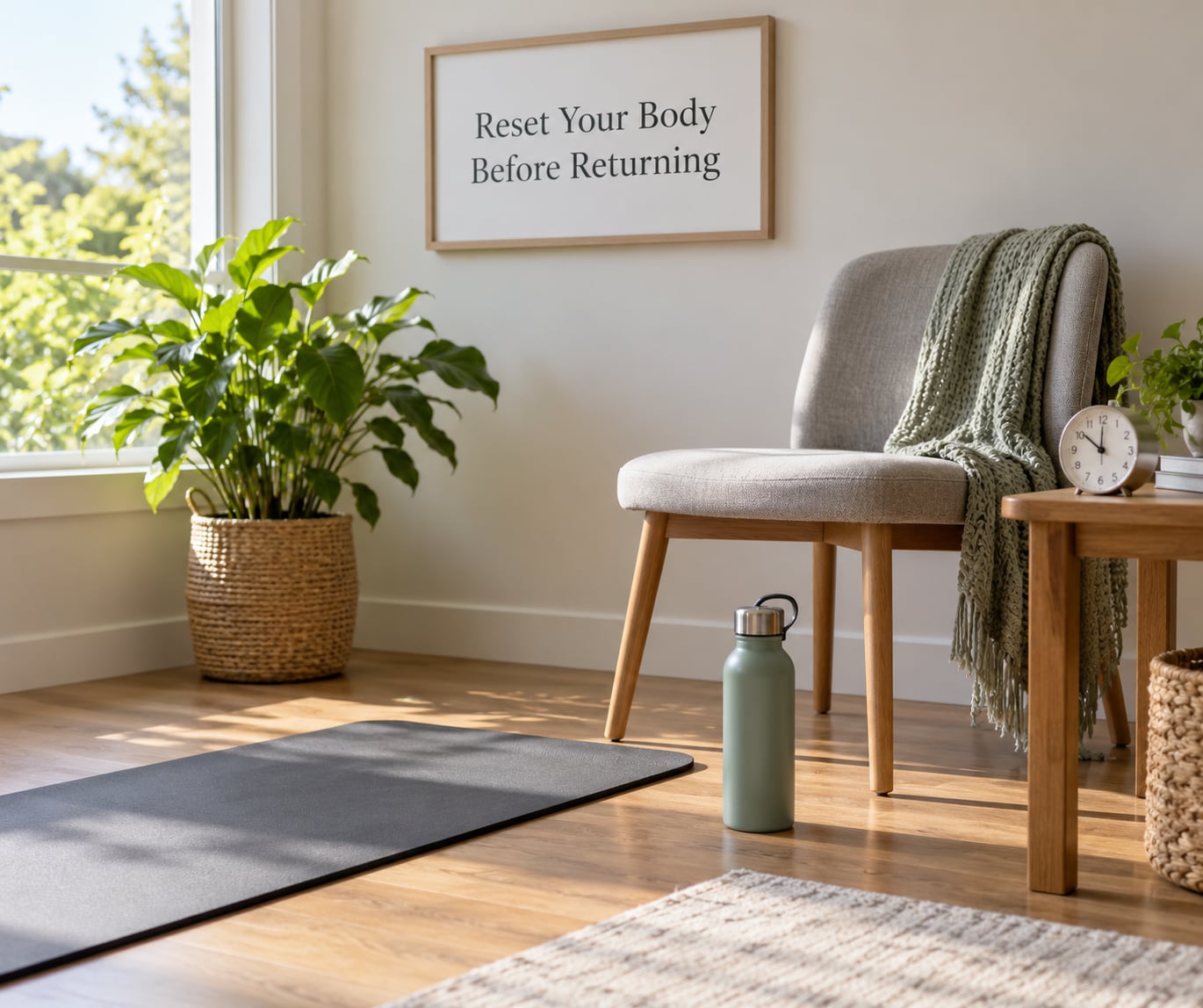
Your hands, neck and eyes carry the fatigue from a long queue, and you will not notice it until the fourth game. Ninety seconds of physical reset is cheap insurance.
- Eyes: every 20 minutes, look at something about 6 metres away for 20 seconds. It is the 20-20-20 rule and it exists because screen focus narrows your blink rate, which is what makes eyes dry and gritty late in a session.
- Wrists and hands: shake them out, extend each arm, spread the fingers, then flex the wrists gently both ways. Ten seconds each.
- Posture: stand up and reset your chair. Most people end a block leaning a few degrees forward without noticing.
- Water: drink some. Mild dehydration shows up as slower reaction and poorer focus before it shows up as thirst.
- Breathing: breathe in for four counts and out for six, five times. The long exhale is the part that calms you down.
Then step away from the screen for the last minute of the break. Coming back to a screen that is already in your face is what makes the first game back feel foggy.
If you feel unwell — dizzy, sharp pain in your wrists or neck, a headache that will not shift, or chest tightness — stop playing and get help. Persistent pain or vision changes are worth raising with a doctor rather than powering through. This article covers general comfort habits, not medical advice.
5. Re-enter the Game Warm, Not Grounded
The first game or two after a real break are mechanically worse. This is normal and it is the reason people panic and queue five games to “get warmed up”, which makes everything worse.
Use five to ten minutes before you queue ranked again:
- Run your usual warm-up mode or aim routine, the one you already know by heart.
- Play one casual or unranked game if the game has one. It keeps your hands on the controls without the pressure, and it is the single most commonly recommended reset step in competitive communities.
- Re-read your one note from step three so you enter with a goal instead of a result.
Stay off the queue until the warm-up ends. Queueing during the warm-up is how you end up playing your worst game of the session at full stakes.
6. Rejoin Ranked With a Simple Rule
Decide your return rule before you sit back down, while you are still calm and the break is fresh. A rule written in advance is a decision; a rule made mid-queue is a mood.
Re-enter ranked when three things are true: you are calm enough that a bad lobby will not ruin the game, you have at least a couple of matches of time left in your session, and you have finished a warm-up you recognise. Add one boundary of your own — stop after two wins, stop after two losses, or stop at a fixed time — and write it down where you can see it.
This is the step where most people lose the thread. Knowing how to take breaks without losing momentum in ranked means the rule is decided while you are still on the break, not after the queue has already found you.
Two losses while you are heated is a stop, not a re-queue. Three losses is a stop regardless of how you feel. And if you are winning, remember that a win streak is not a reason to extend past your time cap — the streak was never yours to keep, and pushing through it is exactly how a good hour turns into a two-hour loss.
How to tell the re-entry worked: your first two decisions in the next game look like decisions, not reflexes.
Common Mistakes That Wipe Out Your Momentum
Nearly every ruined session comes down to one of these. Each has a simple fix, and the fix is usually just deciding in advance.
Taking no break at all. Nine games in a row feels productive and rarely is. Block your session at three games and take five minutes, even when you are winning.
Queueing again the second the client loads. A one-second break is not a break. Give yourself at least sixty seconds and do something physical.
Reviewing every mistake. Replaying nine games of losses is how a five-minute break becomes a forty-minute spiral. One note per break, then close it.
Spending the break on an argument. Chat, Discord, forums, DMs. Mute everything before you get up, not after you get back.
Doomscrolling. It is a break in name only. No feed, no short videos, no news. Something with your legs involved.
Playing while exhausted. Fatigue makes every version of this routine useless, because the decision quality the break is meant to protect is already gone. Late-night sessions consistently end lower than they started. If you are tired, the break lasts until tomorrow.
Two smaller habits help more than people expect. Leave your desk when the break ends, not when the timer rings — sitting back down while still angry is what re-enters you tilted. And write one sentence about how the session went while it is still in front of you; reading three sessions of notes later is the cheapest improvement tool in ranked, and it takes a minute.
Frequently Asked Questions
How long should I take a break between ranked matches?
Five to eight minutes is the normal rhythm between blocks of three games. Use 60 to 90 seconds when one match went badly but you are still functional, and 15 to 20 minutes after two losses in a row. The deciding factors are queue time, how tired you are and how heated you feel, not a fixed number.
Should I stop playing after losing several ranked games?
Yes, and the trigger should be written down before you start. Two consecutive losses while you are angry is enough to stop for the day, because the second loss is usually played on emotion rather than skill. Three losses stops the session whatever your mood. Stopping early protects more rating than pushing to a fourth loss.
Is it better to take a five-minute break or a fifteen-minute break?
Use five minutes when the break is routine and you feel fine, and fifteen minutes when a loss streak has gotten into your head. Fifteen minutes is long enough to genuinely leave the session behind, so it works well after two losses. Five minutes is enough to reset your body and attention, but only if you spend it away from the screen.
How do I avoid thinking about a previous match during my break?
Give the replay somewhere else to go. Write one line about what happened, say the result once, mute every notification, then do something physical that needs your hands. Most players cannot stop replaying a game because they never finished reviewing it. One note closes the loop and frees the attention you want back for the next queue.
Can breaks improve my ranked performance?
Yes, mostly by protecting decision quality rather than by making you sharper. Fatigue and tilt reduce the quality of your next decision long before you notice them, and that is what rating points are made of. Players also report that the first games back after a break feel rusty, which is why a short warm-up before re-queuing matters.
Should I warm up before queuing for another ranked match?
Yes, five to ten minutes of low-pressure play. Use your usual warm-up mode, then one casual or unranked game if the game has one. It keeps your hands warm without the stakes and stops your first full-intensity game from being the one where your reactions are still coming back. Warm up before you queue, never while you are already in it.
Conclusion
How to take breaks without losing momentum in ranked comes down to deciding the rules before you need them. Block the session into sets of three games, break for five to eight minutes, go longer after two losses, and warm up for five to ten minutes before you queue again.
Start with the next match. Let it finish, decline the rematch, set a timer, and write your stop-loss rule where you can see it. That is the entire routine, and it protects more rank than playing harder ever will.